The Great Egret

Santosh Jha
| 11-02-2026
 · Animal Team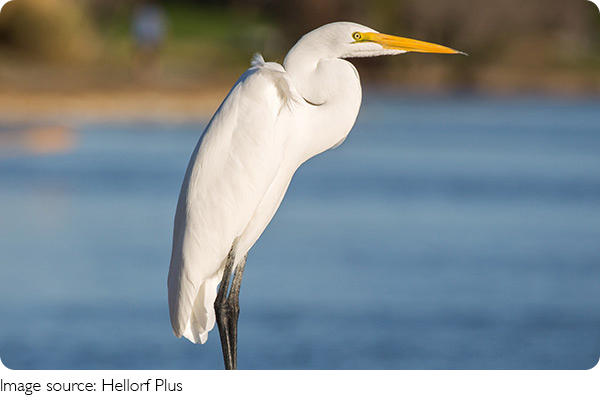
The first time you spot a Great Egret standing in shallow water, it's hard not to pause.
Its long, slender neck curves gracefully, pure white feathers shimmer in the sunlight, and it moves with a quiet patience that seems almost intentional. Watching it hunt or take flight feels like witnessing a living piece of art.
Yet behind its elegant appearance lies a host of fascinating traits and behaviors that make this bird a true marvel of the wetlands.
Distinctive Physical Features
The Great Egret's body is built for both beauty and function.
1. Feather elegance: Their snow-white plumage isn't just stunning—it plays a role during breeding season, with long, delicate plumes that signal health and vitality to potential mates.
2. Neck and bill: The long, S-shaped neck allows precise strikes when hunting. Its sharp yellow bill can catch fish, frogs, and insects with remarkable accuracy.
3. Legs and feet: Black legs and long toes help it wade steadily through shallow waters, keeping balance even on soft mud or uneven terrain.
Actionable example: Next time you visit a marsh, notice how the egret adjusts its long legs carefully as it moves—each step calculated to prevent splashing that might scare prey away.
Hunting Techniques
Egrets are patient hunters, often standing still for long periods before making their move.
1. Stalking prey: They often wade slowly or remain perfectly still, waiting for fish to swim within reach.
2. Quick strikes: Once in range, the egret darts its head forward to grab prey with its sharp bill.
3. Opportunistic feeding: Besides fish, they may grab amphibians, crustaceans, or insects, showing adaptability in diet.
Actionable example: Observe an egret's subtle movements—tiny steps or slight head tilts—that help it gauge the distance and position of prey, demonstrating remarkable precision in hunting.
Breeding and Nesting
During the breeding season, Great Egrets showcase some fascinating behaviors.
1. Nesting colonies: They often nest in trees near water, sometimes alongside other wading birds, creating dense colonies for protection.
2. Courtship displays: Males extend their plumes and stretch their necks, performing elaborate movements to attract a mate.
3. Egg care: Females typically lay three to five pale blue-green eggs, which both parents incubate and guard diligently.
Actionable example: If visiting a wildlife sanctuary in spring, notice how mature egrets carefully turn their eggs with their bills—each movement gentle but deliberate to ensure proper development.
Flight and Movement
The Great Egret's flight is a study in grace and efficiency.
1. Slow wingbeats: Large wings allow a steady, gliding motion that conserves energy over long distances.
2. Neck posture: Unlike herons, they fly with necks retracted in an S-shape, which improves aerodynamics.
3. Migration patterns: Many egrets travel seasonally, moving to warmer areas as water bodies freeze or food sources decline.
Actionable example: Watch an egret take off from a pond—the way it folds its neck and spreads its wings demonstrates an instinctive understanding of lift and balance.
Communication and Social Behavior
While largely quiet, Great Egrets use body language and soft vocalizations to interact.
1. Visual signals: Neck stretching, wing flicks, and posture can indicate territory, readiness to mate, or alertness.
2. Vocalizations: Soft croaks or low calls communicate presence or alarm to nearby birds.
3. Group dynamics: During feeding, they may tolerate close neighbors but also compete subtly, showing a balance between cooperation and competition.
Actionable example: At dawn or dusk, observe how a flock subtly shifts its positions while hunting, each bird responding to movements of the others—a quiet, elegant coordination.
Survival Adaptations
Great Egrets thrive thanks to their combination of patience, agility, and adaptability.
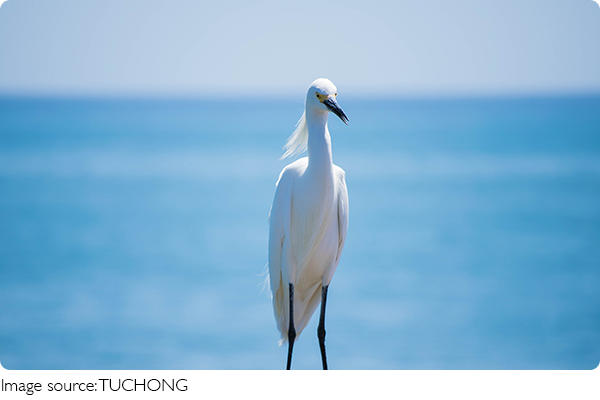
1. Stealth: Their white color contrasts beautifully with green wetlands but also blends against reflective water surfaces in some lighting, helping them avoid detection.
2. Opportunistic diet: Flexibility in food choices ensures survival even when fish are scarce.
3. Habitat adaptability: They can thrive in freshwater or brackish environments, from lakes and marshes to river edges and tidal flats.
Actionable example: When observing an egret in a new area, notice how it explores multiple feeding spots, sometimes moving deliberately between shallow pools to maximize success—a natural lesson in patience and adaptability.
The Great Egret is more than a striking presence in wetlands—it's a perfect example of how form, behavior, and instinct combine to create a masterful hunter and elegant survivor. Spending time watching them offers insight into the subtle strategies and adaptations that allow these birds to thrive in their watery world.