Home Art Studio Ideas!

Caroll Alvarado
| 02-05-2026
 · Lifestyle Team
Creating an art studio at home is more than just setting up a table and placing your tools on it. It is about designing an environment that supports focus, creativity, and consistency. A well-planned studio can influence how often you create, how comfortable you feel, and even the quality of your work.
In recent years, the idea of home studios has become increasingly relevant as more people balance creative pursuits alongside daily responsibilities. Whether you are a professional artist, a student, or someone rediscovering creativity, having a personalized studio space can dramatically improve both productivity and artistic confidence.
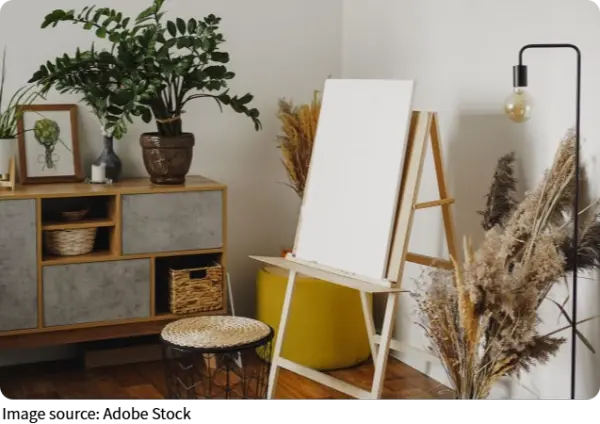
1. Choose a Space That Matches Your Medium
The first mistake many people make is selecting a space based solely on availability rather than suitability. Different art forms demand different environmental conditions. For instance, oil painters need proper ventilation due to solvents, while digital artists require controlled lighting to reduce screen glare.
If you work with messy materials like clay, ink, or acrylics, prioritize a room with easy-to-clean surfaces—tile floors or sealed concrete are far better than carpet. For photographers or illustrators, natural light becomes critical, so positioning near a north-facing window (in most regions) provides consistent, diffused light throughout the day.
Even a small apartment can accommodate a studio if you think vertically. Wall-mounted storage, foldable desks, and compact easels allow you to transform a tight space into a functional creative zone without sacrificing livability.
2. Design Lighting With Intent, Not Convenience
Lighting is often underestimated, yet it directly affects color accuracy, eye strain, and mood. Relying on a single overhead bulb can distort how you perceive tones and details.
A well-designed lighting setup includes three layers:
- Ambient lighting for overall visibility
- Task lighting for focused work (such as adjustable desk lamps)
- Natural light when available
For serious work, consider bulbs with a color temperature between 5000K and 6500K, often referred to as “daylight” lighting. This helps ensure that colors appear consistent whether your work is viewed indoors or outdoors. Position lights at angles that reduce shadows on your workspace. For example, placing a lamp opposite your dominant hand prevents casting shadows while drawing or painting.
3. Organize Tools for Workflow, Not Just Storage
An art studio is not a storage room—it is a workflow environment. Organization should follow how you create, not just how things fit on shelves. Group materials by frequency of use. Keep daily tools within arm’s reach, while rarely used items can be stored in labeled containers or drawers. Transparent storage boxes are particularly useful because they eliminate the need to open everything when searching for a specific item.
Pegboards and modular shelving systems are highly effective because they adapt as your practice evolves. For example, if you transition from sketching to painting, your storage can shift accordingly without requiring a complete overhaul.
Another overlooked detail is workspace zoning. If possible, separate areas for preparation (mixing paint, sketching ideas) and execution (final artwork). This mental and physical separation improves focus and reduces clutter buildup.
4. Prioritize Ergonomics to Sustain Long Sessions
Art often requires extended periods of concentration, and poor ergonomics can lead to fatigue or even long-term injury. Many home studios fail not because of lack of inspiration, but because they become physically uncomfortable. Start with your seating. A supportive chair with adjustable height ensures proper posture, especially for detailed work. Your work surface should align with your elbows when seated to prevent shoulder strain.
For standing work, such as painting on an easel, anti-fatigue mats can reduce pressure on your legs and lower back. If you alternate between sitting and standing, consider adjustable desks or easels that can be repositioned easily. Even small adjustments like tilting your drawing surface slightly—can reduce wrist strain and improve line control. These details might seem minor, but over time they significantly impact both productivity and physical well-being.
5. Create a Space That Mentally Signals “Creative Mode”
Beyond physical setup, a successful home studio must trigger a psychological shift into creative thinking. This is especially important when your studio exists within your living space.
One effective approach is visual consistency. Choose a color palette or aesthetic that differentiates your studio from the rest of your home. This could be as simple as a dedicated wall color, specific lighting tone, or curated decor that reflects your artistic identity.
Incorporate elements that inspire without overwhelming.
A rotating display of your own work, reference images, or a small collection of objects can stimulate ideas while keeping the environment intentional. Equally important is minimizing distractions. Keep non-essential items out of sight, and if possible, limit digital interruptions by silencing notifications or using dedicated devices for creative work.
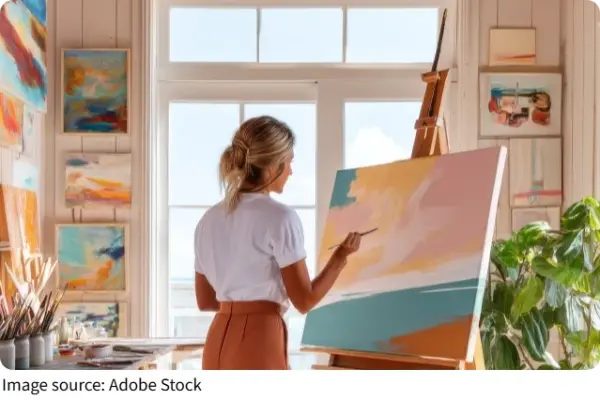
Building an art studio at home is not about perfection—it is about alignment between your space and your creative habits. When your environment supports your process, creating becomes less of a struggle and more of a natural extension of your day. The real transformation happens when your studio stops feeling like a place you go to work, and starts becoming a place that quietly pulls you back, again and again, to create something meaningful.