Banana Family Choice

Ethan Sullivan
| 27-05-2026
 · Lifestyle Team
Have you noticed how often bananas appear in family kitchens, lunch bags, and breakfast tables? There is a good reason for that. Bananas are simple to carry, easy to prepare, naturally sweet, and full of useful nutrients for growing children.
For many parents, finding snacks that children truly enjoy can feel challenging. Some foods are messy, expensive, or difficult to prepare during busy mornings.
Bananas solve many of these daily problems in one simple way. They come with their own natural cover, stay fresh for hours, and can be eaten almost anywhere.
From babies trying solid foods for the first time to active school-age children, bananas fit naturally into everyday meals. Their soft texture and gentle flavor make them one of the easiest fruits for young children to enjoy.
What Makes Bananas Nutritious?
A single medium banana contains many nutrients that help support daily energy and growth. It includes fiber, vitamin B6, vitamin C, potassium, magnesium, and natural carbohydrates.
Here is a quick look at what one banana provides:
- About 105 calories
- Around 27 grams of carbohydrates
- About 3 grams of fiber
- Potassium
- Magnesium
- Vitamin B6
- Vitamin C
These nutrients support many important functions in the body. Potassium helps maintain normal muscle activity and supports heart function. Vitamin C supports the immune system and helps the body absorb iron from foods. Fiber helps digestion stay smooth and comfortable.
Because bananas combine several nutrients in one fruit, they are especially helpful for children who sometimes refuse vegetables or other healthy foods.
Why Babies Often Enjoy Bananas First
Many babies accept bananas quickly when starting solid foods. The natural sweetness feels familiar and pleasant, while the soft texture makes swallowing easier.
Parents also appreciate how simple bananas are to prepare. A ripe banana can be mashed with a fork in less than a minute. No special kitchen tools are needed.
For babies around six months old, mashed banana can be served plain or mixed with oatmeal. As babies grow older, thicker slices or soft chunks become easier to hold and chew.
Another helpful point is convenience during travel. Families visiting parks, clinics, or relatives can easily carry bananas without worrying about spills or complicated preparation.
Bananas and Daily Energy for Children
Children often need snacks between meals because they use a lot of energy throughout the day. Bananas provide quick energy from natural carbohydrates while also helping children feel satisfied longer because of their fiber content.
Unlike heavily processed snacks, bananas do not require long ingredient lists or added flavoring. Their simple freshness makes them a practical choice before school, after outdoor play, or during busy afternoons.
Many parents also notice that bananas work well with other healthy foods. They can be added to oatmeal, yogurt alternatives, smoothies, or whole-grain pancakes.
Frozen banana slices are especially popular during warm weather. They create a creamy texture in smoothies and can make breakfast feel more enjoyable for children.
How Banana Ripeness Changes Texture
Not all bananas taste the same. Their flavor and texture change as they ripen.
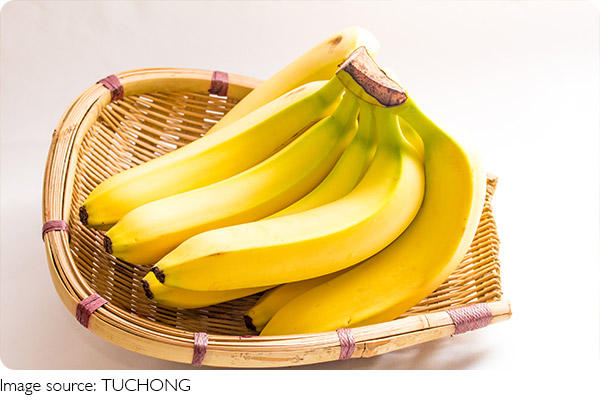
Greenish bananas are firmer and less sweet. Bright yellow bananas are softer and sweeter. Bananas with small brown spots are usually fully ripe and easier to mash for babies.
Some parents hear mixed opinions about bananas and digestion. In many cases, ripeness makes a difference. Fully ripe bananas are usually gentler and softer for children.
If a child needs more fiber variety, families can also include fruits such as pears, peaches, or plums alongside bananas to create balance in meals.
Helpful Ways to Serve Bananas
Bananas can fit into meals throughout the day without much effort.
Here are several simple serving ideas:
- Mash ripe banana into warm oatmeal
- Add slices to whole-grain cereal
- Blend frozen banana into smoothies
- Serve banana pieces with nut-free seed spreads
- Mix mashed banana into homemade muffins
- Add slices to breakfast toast
- Freeze small chunks for cool snacks during warm afternoons
For toddlers learning self-feeding, banana sticks are often easy to grip. Rolling them lightly in crushed cereal can also help little hands hold them more comfortably.
Parents sometimes notice bananas turning brown after cutting them. This is completely natural. A few drops of lemon or apple juice can help slow the color change while keeping the flavor fresh.
Can Bananas Support Healthy Weight Goals?
Some people assume sweet fruits automatically lead to weight gain, but bananas can actually support balanced eating habits when enjoyed as part of regular meals.
The fiber inside bananas helps children and adults feel full longer. This can reduce unnecessary snacking during the day.
Compared with many packaged treats, bananas are lower in calories while still providing useful nutrients and satisfying texture. For growing children, this balance is especially valuable.
Because bananas are naturally filling, they work well during busy school mornings or long afternoons when children need steady energy.
Important Things Families Should Know
For most healthy people, bananas are very safe to enjoy regularly. However, families dealing with kidney-related conditions should speak with a healthcare professional about potassium intake.
Balance is also important. Children benefit most from eating many kinds of fruits, vegetables, grains, and protein sources throughout the week.
Bananas work best as part of a colorful and varied eating routine rather than the only fruit served every day.
A Simple Fruit That Fits Everyday Life
Readers, sometimes the best family foods are also the simplest ones. Bananas are affordable, portable, gentle for young eaters, and easy to include in busy schedules.
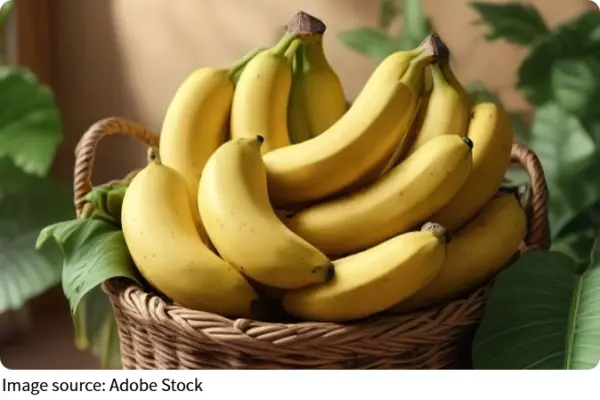
Whether mashed for a baby, packed into a school bag, blended into breakfast, or sliced onto cereal, bananas continue to be one of the easiest ways to add nutrition to daily meals.
Next time you walk through the fruit section, take a closer look at those bright yellow bananas. They may seem ordinary, but they offer comfort, convenience, and nourishment for every stage of family life.
So Lykkers, how does your family enjoy bananas most — fresh slices, smoothies, or homemade snacks?
Banana benefits for kids
Video by Solid Health 24